The rice paddy art in Nasushiobara City has begun again this year!
In Nasushiobara City, surrounded by abundant nature, “rice paddy art” is created every year from early summer to autumn, delighting many visitors.
Rice paddy art is an art form where rice plants of different colors are carefully planted one by one, transforming the entire rice paddy into a large canvas to create pictures or letters. Created by the Nakano family, local farmers, the artwork changes its appearance along with the changing seasons, from planting to the growth of the rice and until it is at its peak viewing time.
One of the charms of rice paddy art is that its colors and impression change depending on the time of year. You can enjoy the beauty unique to each season, from the vibrant green immediately after rice planting, to the designs that stand out clearly as summer approaches, and the scenery that transforms into a golden color.
The Nasushiobara City Tourism Bureau website will be sharing updates on the changing rice paddy art. Please come and see the rice paddy art, which is filled with the unique nature and local sentiments of Nasushiobara City, in person.
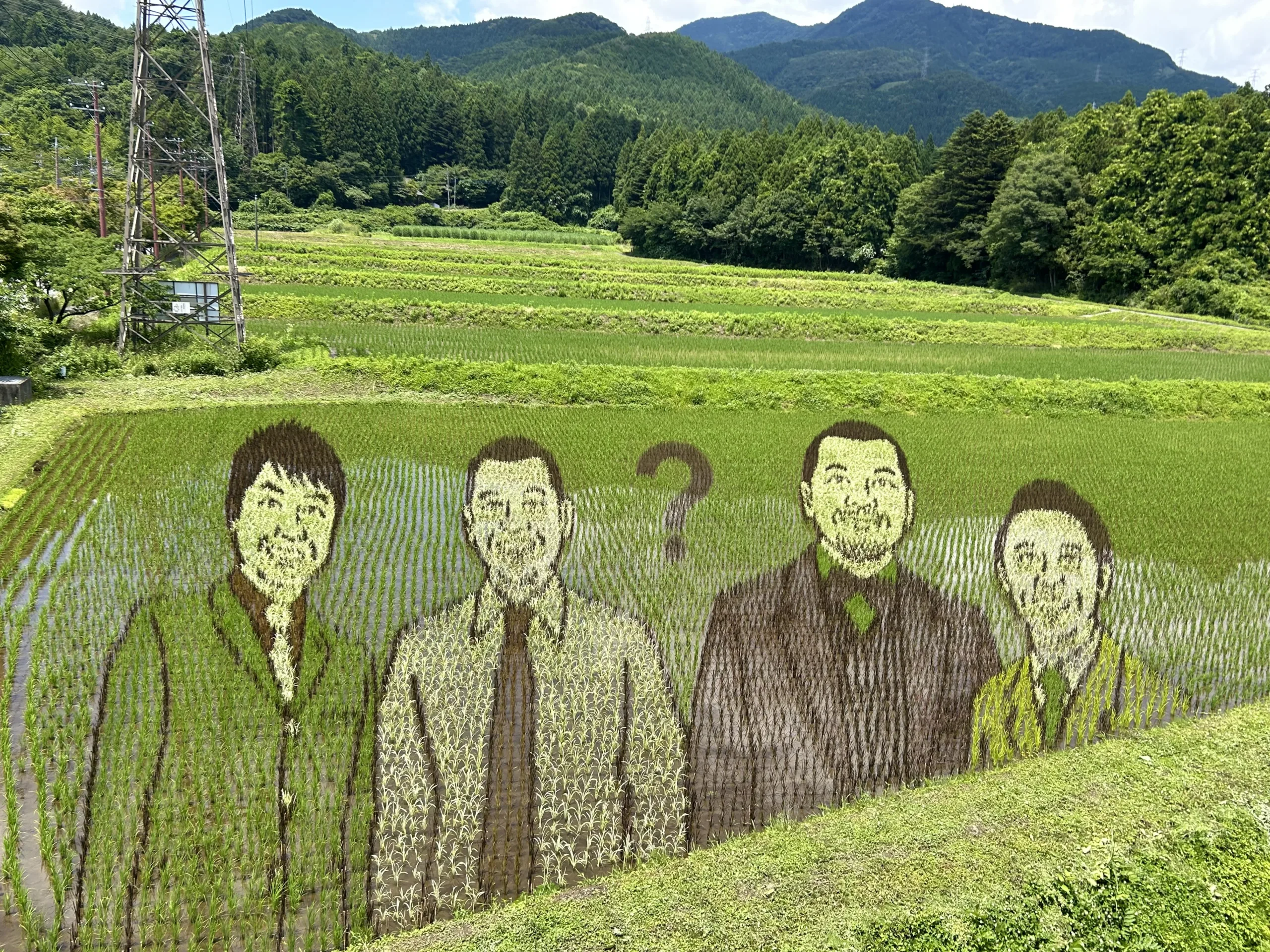
The second rice paddy art venue will open on July 1st!
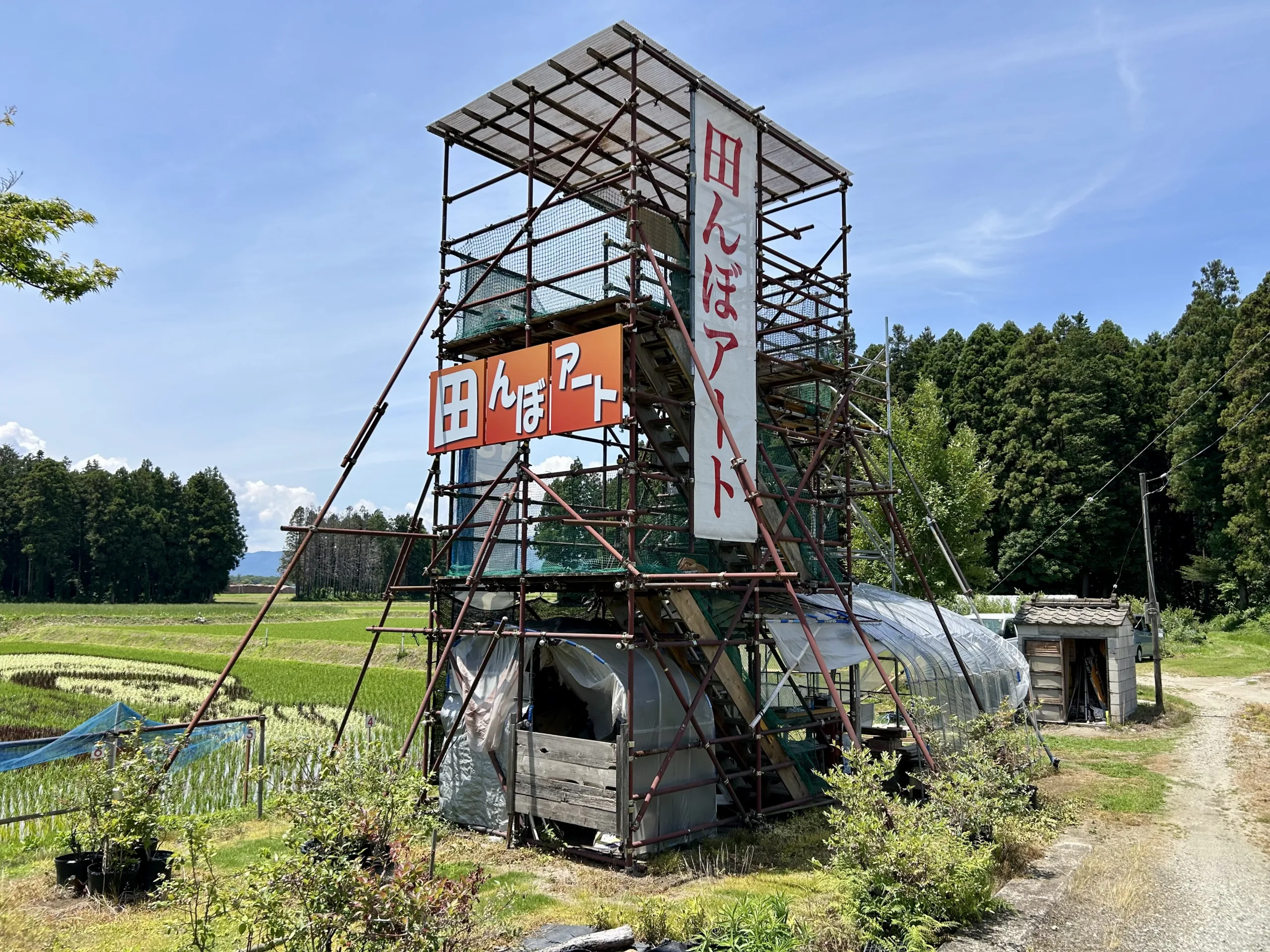
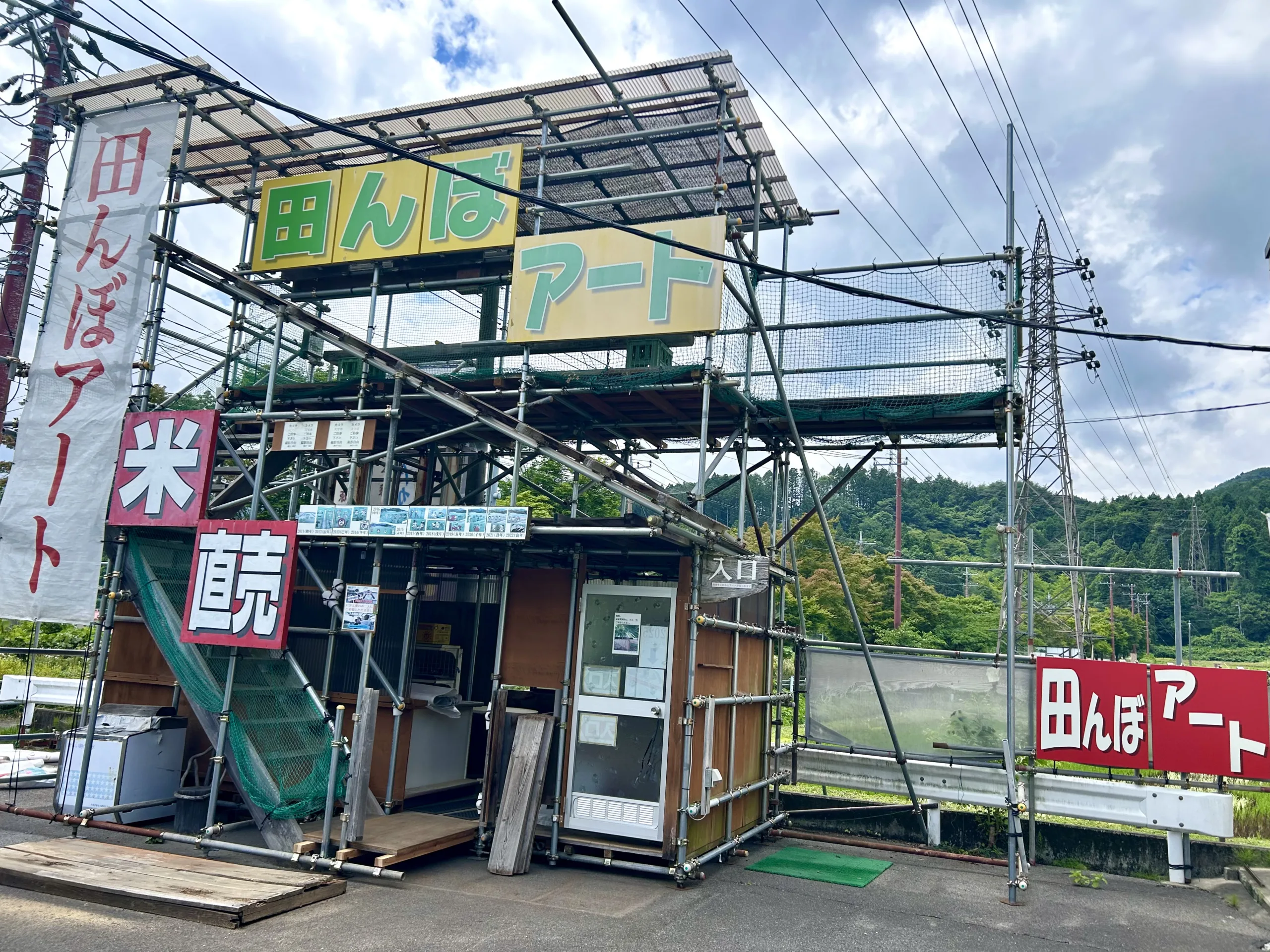
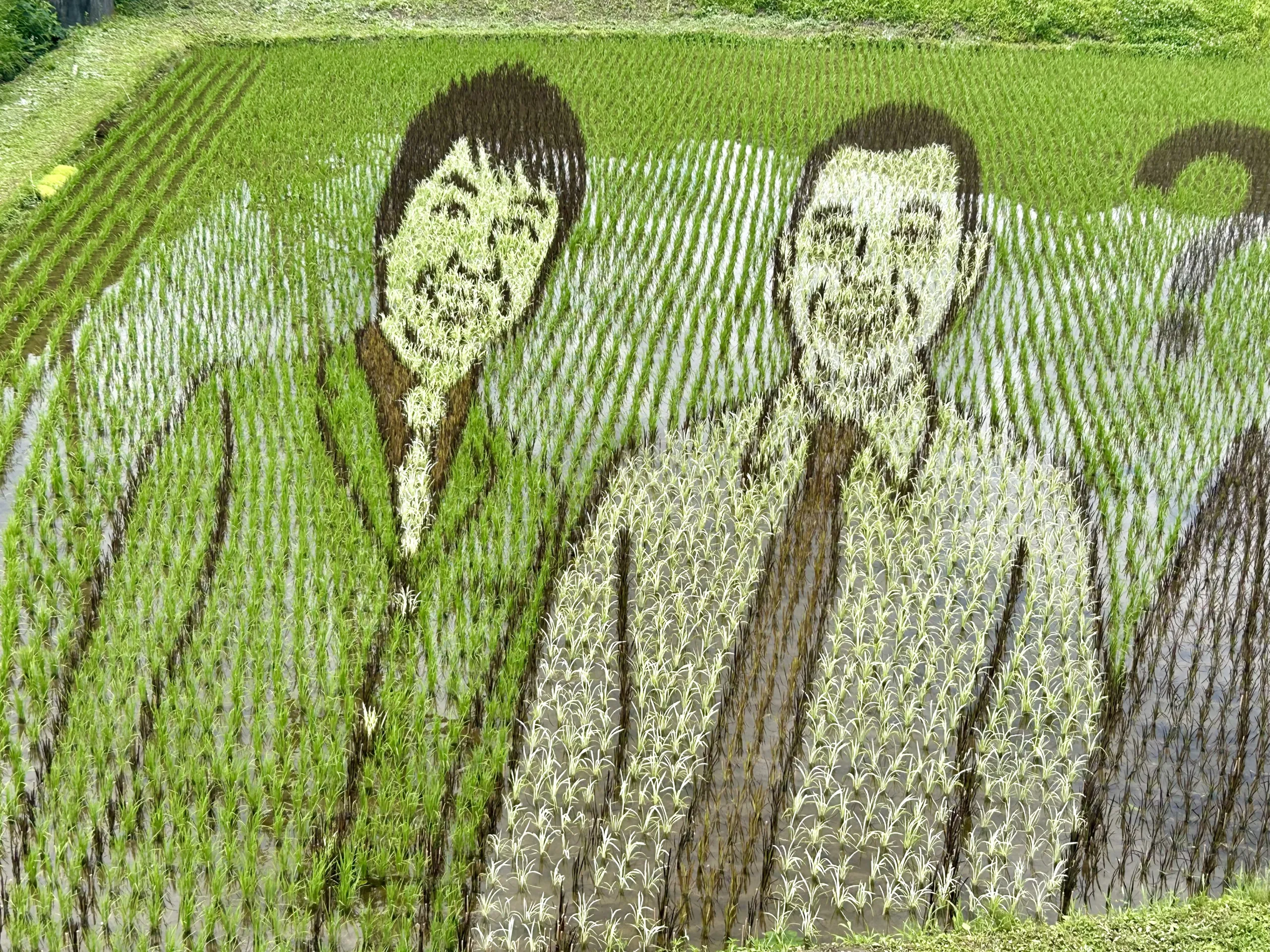
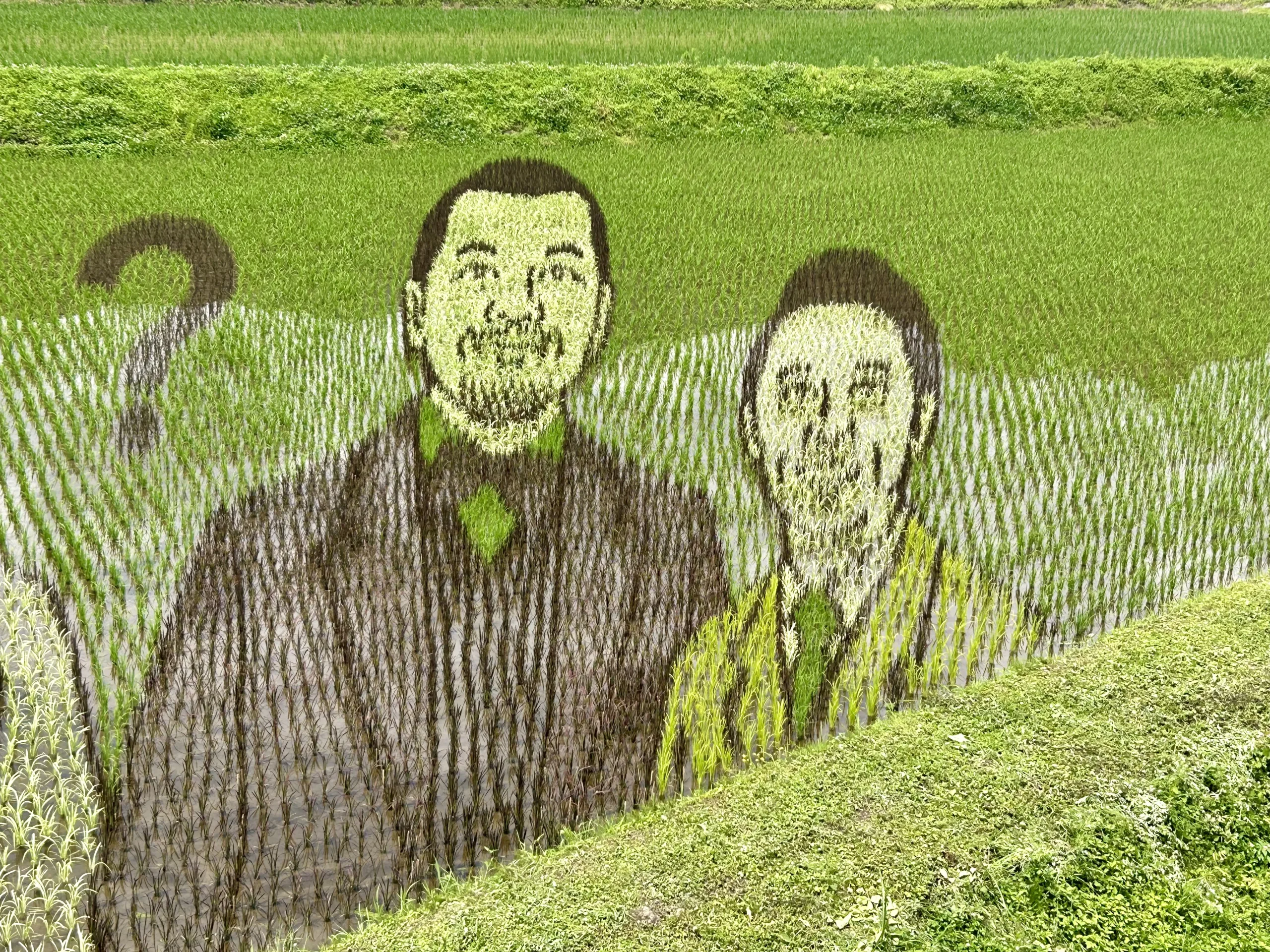
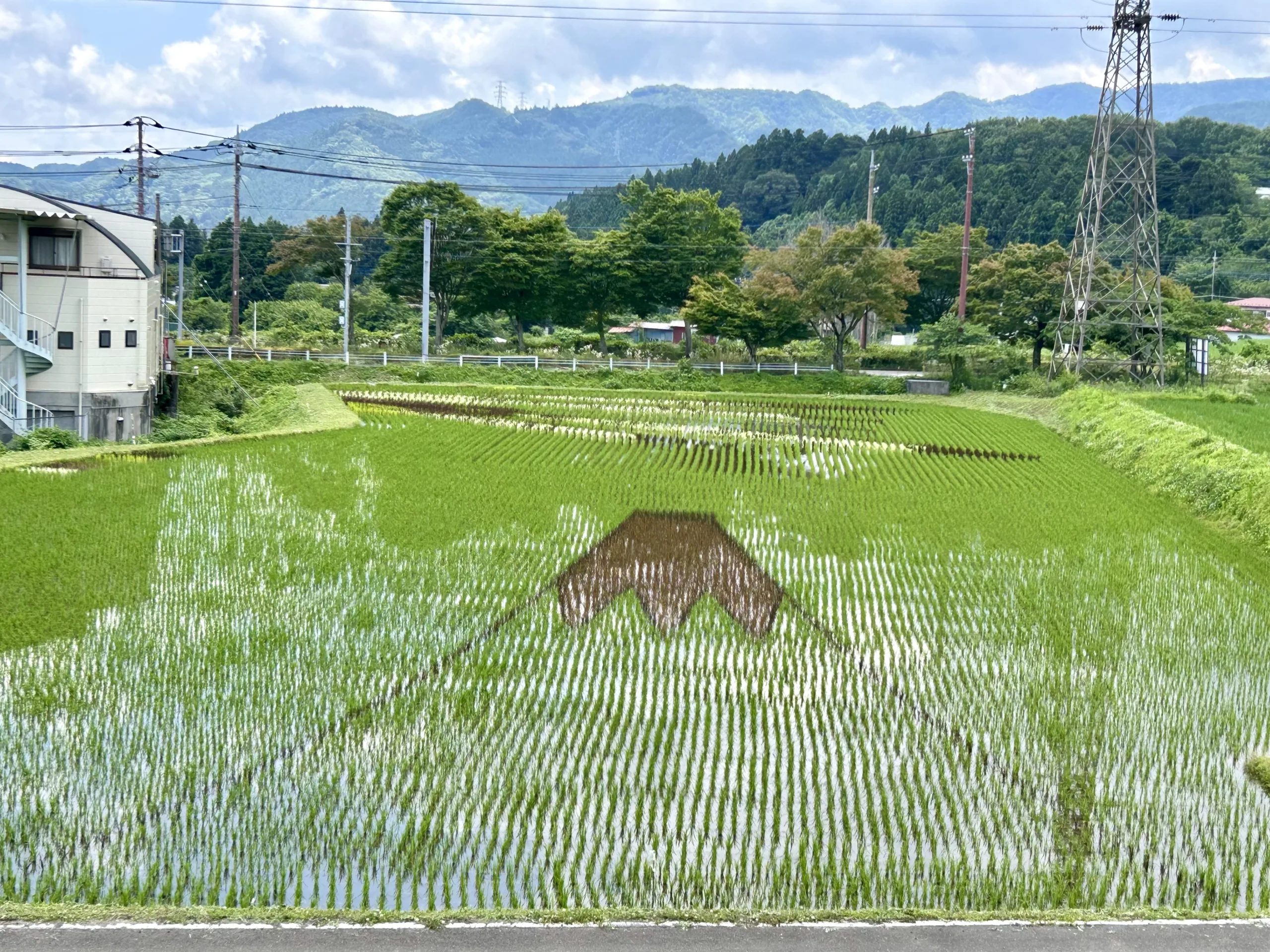
The theme of the second venue is "Why?". While Northern Kanto lags behind in the ranking of prefectures' powerlessness, it consistently ranks high in the ranking of places to relocate to. With this "why?" as the theme, the comedy duo "Uji Koji" from Tochigi Prefecture and the comedy duo "Kaminari" from Ibaraki Prefecture, both representatives of Northern Kanto, will appear as motifs! Furthermore, Mount Fuji will make an appearance again this year. July 1st, the opening day of the second venue, is also the opening day of climbing season for Mount Fuji. 📅Opening July 1st (Wed) 10:00~ 📍Venue: 416-1 Sekiya, Nasushiobara City, Tochigi Prefecture (next to "Michi-no-Eki Yunoka Shiobara") Hours: Generally 9:30~16:00 (after opening) Period: July 1st to around October *Harvesting takes place around the end of September, and since the second ear of grain appears after the harvest, it can be enjoyed until the first frost in October. A cooperation fee is requested when visiting. Parking: Next to the viewing platform, Nasushiobara City Tourism Bureau parking lot (448-4 Sekiya, Nasushiobara City) Please come and see the two rice paddy art installations, a masterpiece by the Nakano family, the farmers who created them, along with the theme of "wind" at the first venue.
Information is also being shared on the Tourism Bureau's official Instagram account.
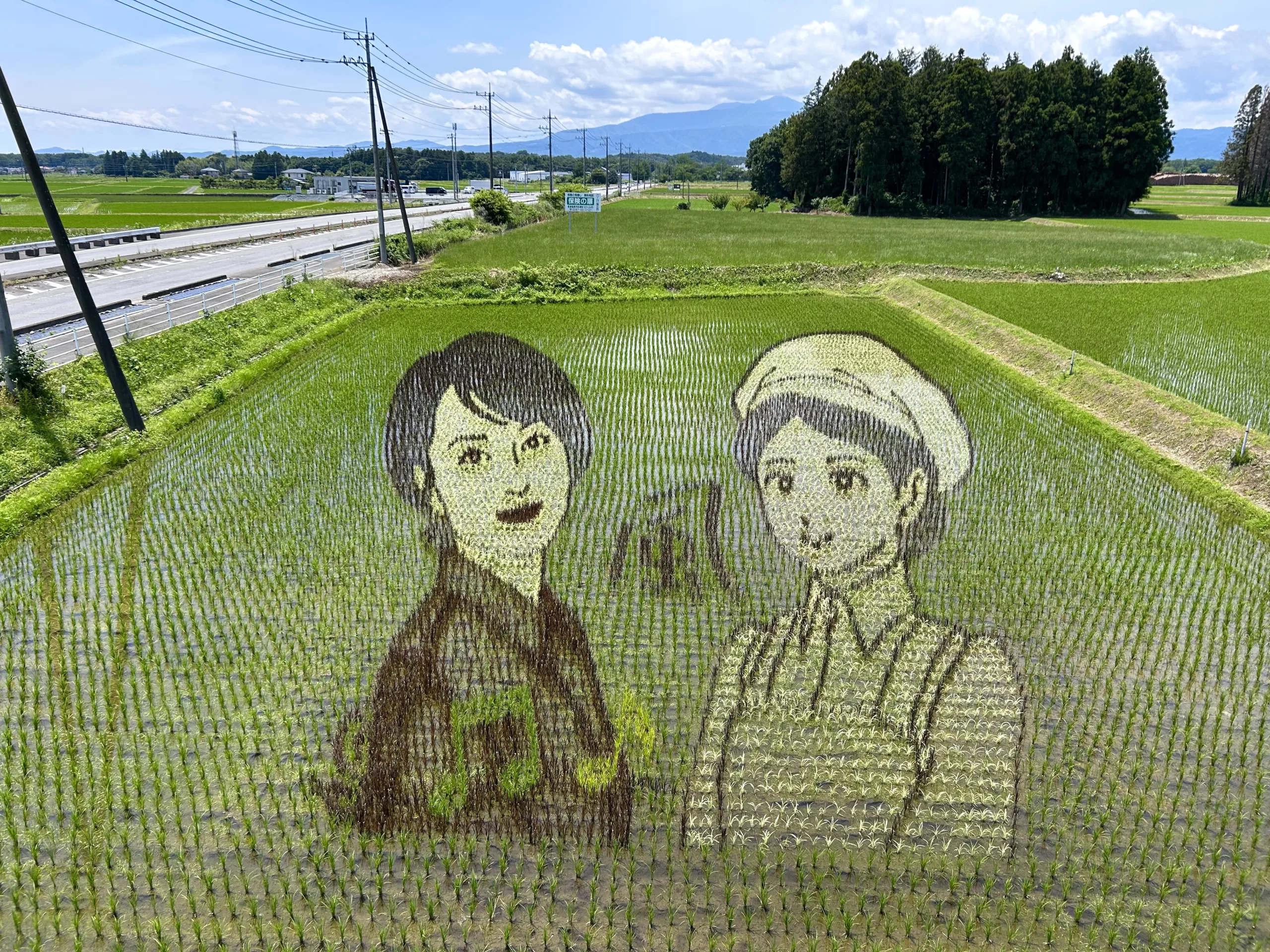
The first rice paddy art venue will open on June 18th!
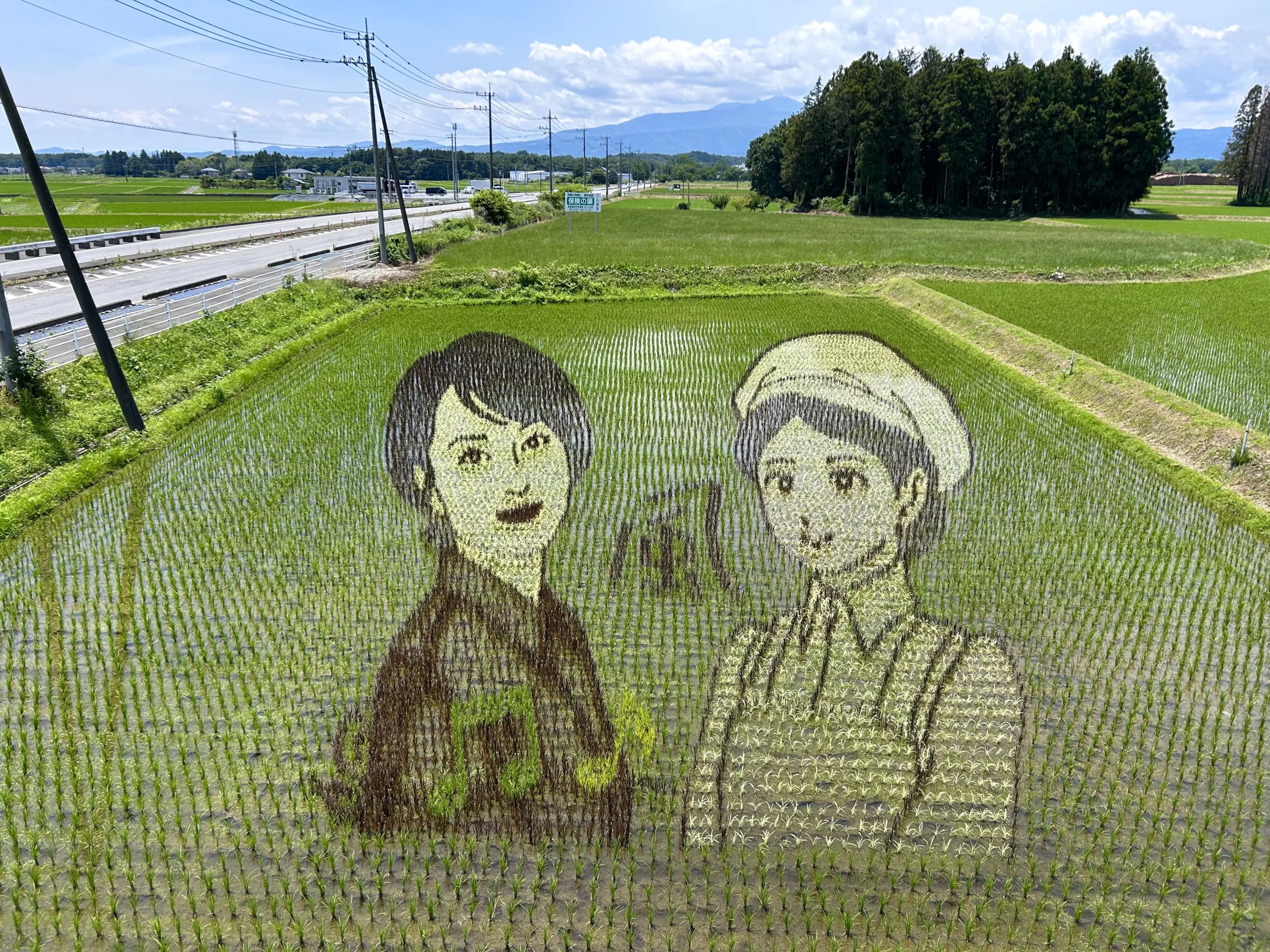
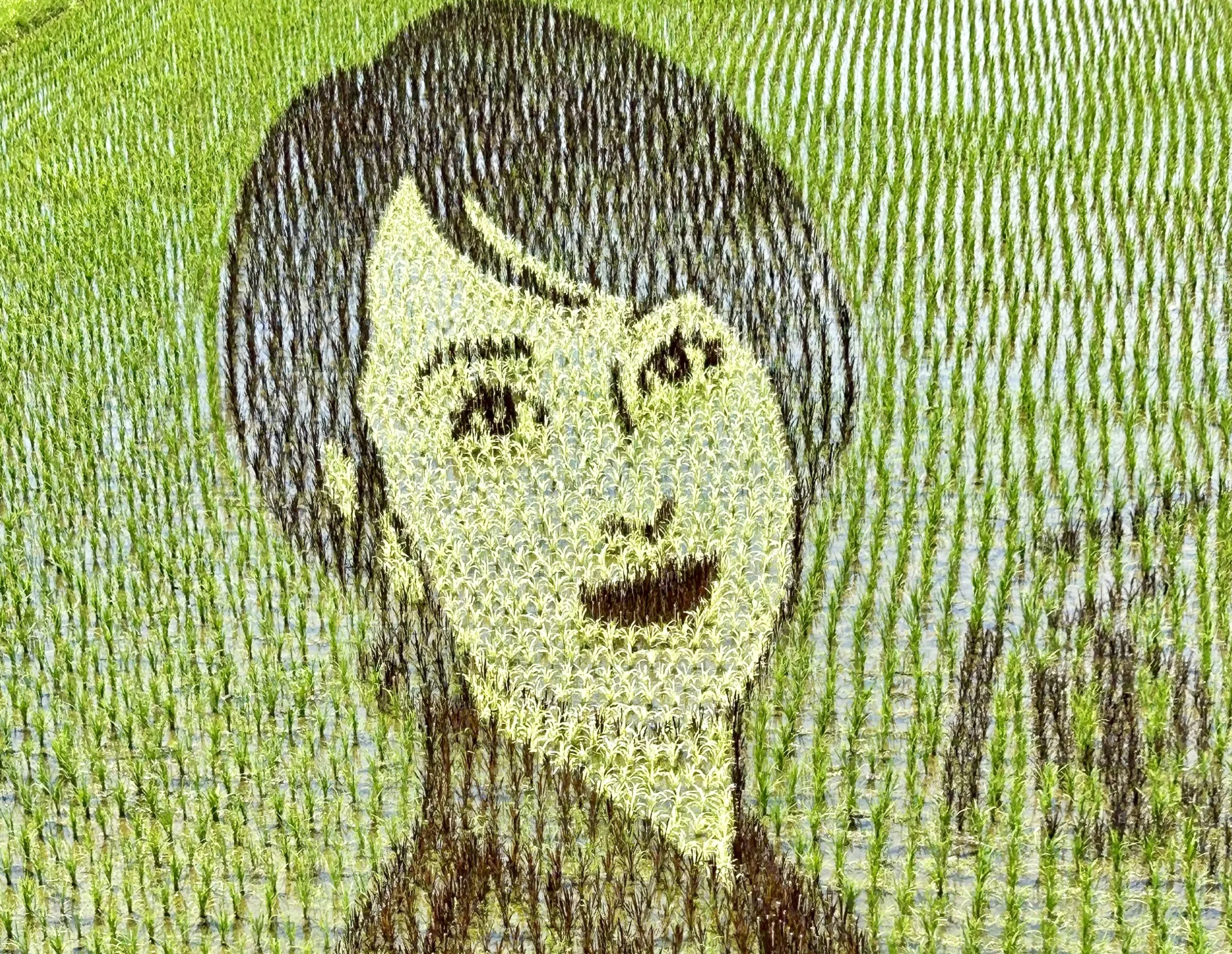
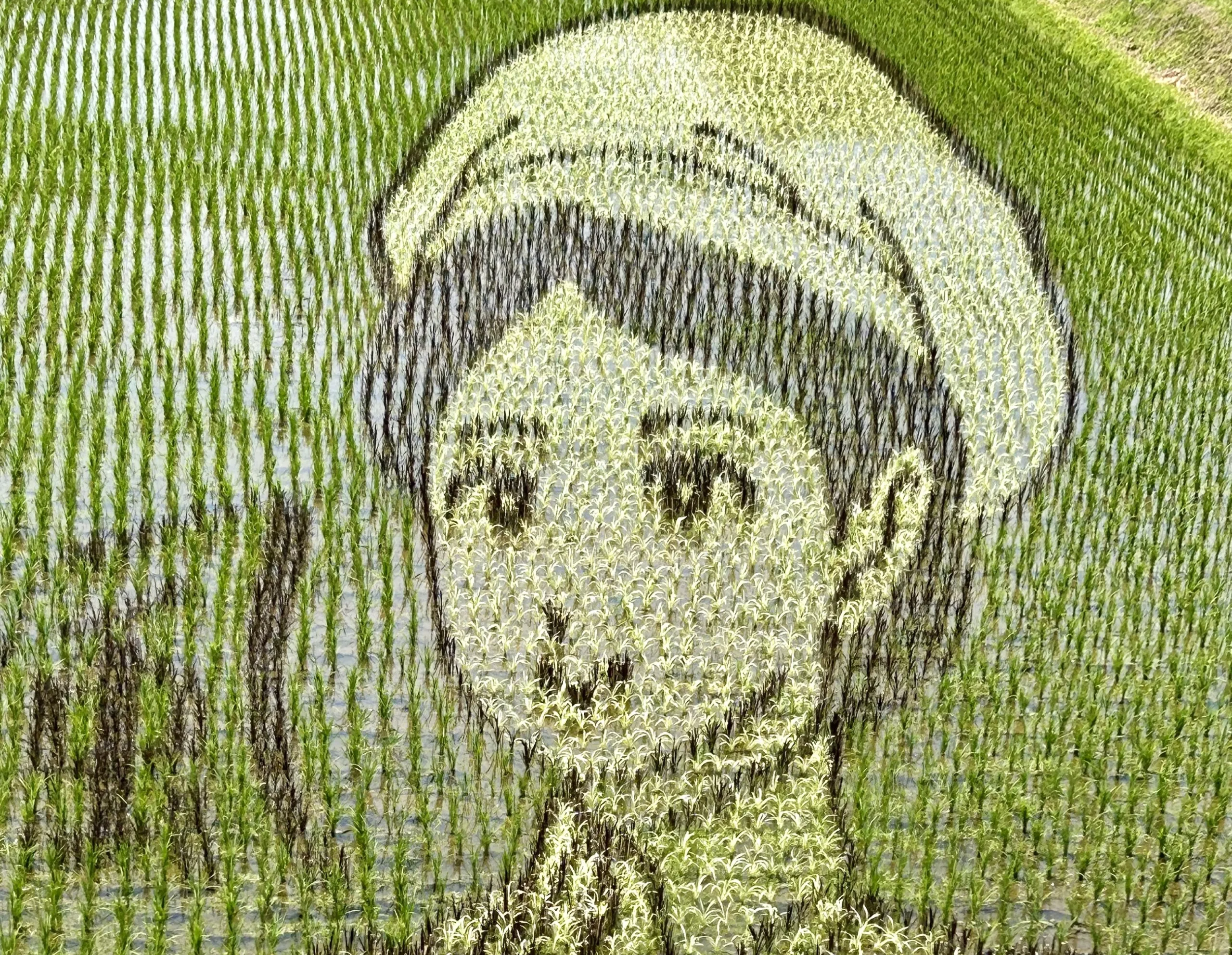
This year, Nasushiobara's summer tradition, "rice paddy art," will be unveiled once again! The theme for the first venue this year is "wind." Using eight varieties of rice, the powerful art painted on the vast rice paddies will be at its best. ✨ This year's artwork is based on the wind of the Meiji era, inspired by Tomo Oseki, a native of Otawara and featured in the NHK serial drama "Kaze Kaoru," and the wind of the Reiwa era, inspired by singer Rie Utagokoro, a native of Nasushiobara, who has become popular in Korea and is now giving lectures and concerts nationwide. 📅 Opening: Thursday, June 18th, 10:00 AM Hours: Generally 9:30 AM - 4:00 PM (after opening) Venue: Around 279-1 Nishi-Osawa, Nasushiobara City (First venue) Parking: Available (approximately 8 regular cars) *Viewing is possible until the end of September when the harvest is scheduled. The artwork will remain open until the first frost in October, depending on the growth of the second crop of rice after the harvest. A donation is requested when visiting. The magnificent artwork created by rice planting is a sight unique to this time of year.
Information is also being shared on the Tourism Bureau's official Instagram account.
The process of creating rice paddy art: Preparation (① Drawing the design, ② Preparing the rice plants, ③ Marking the rice paddy at night, ④ Planting the rice)
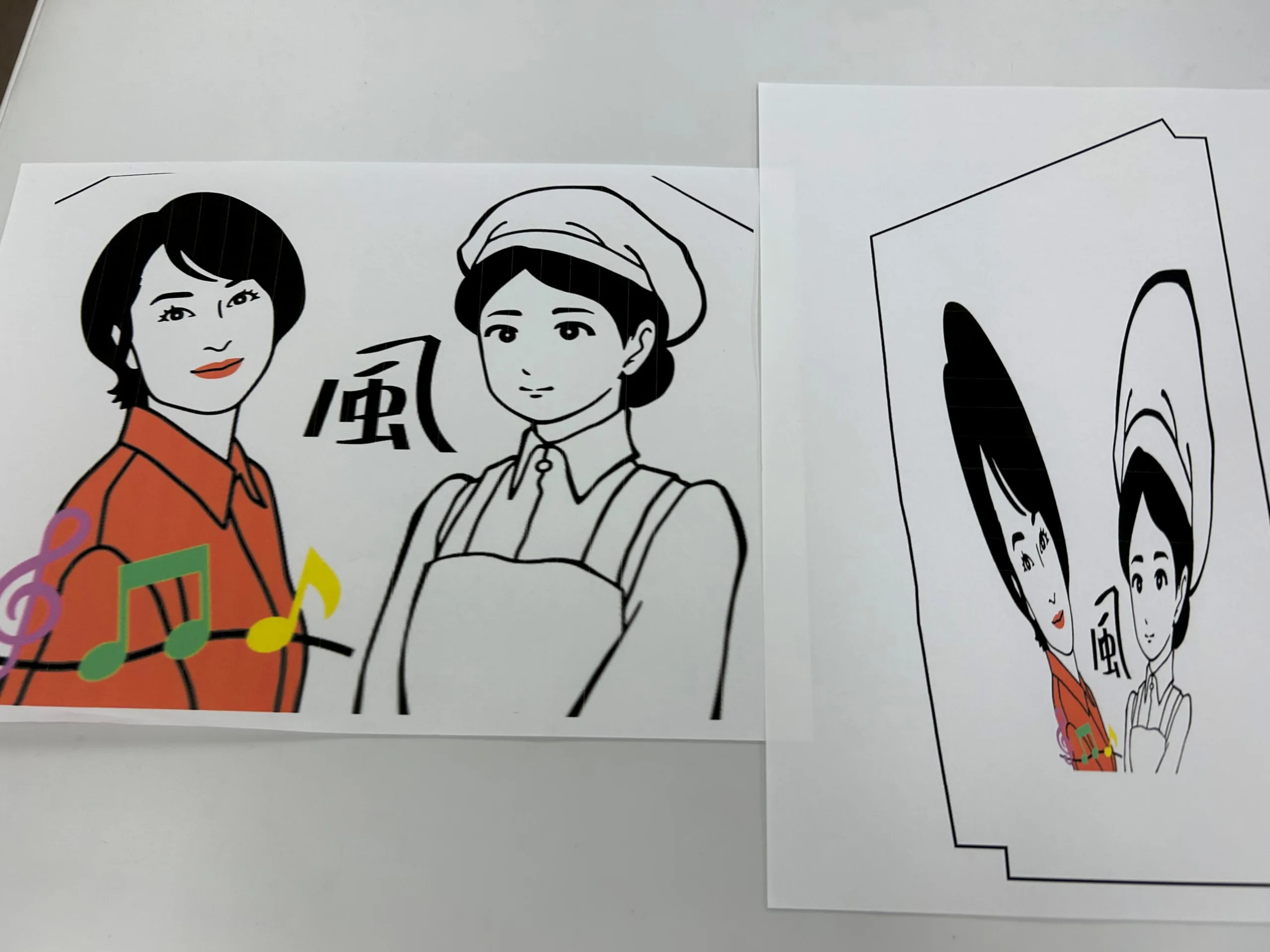
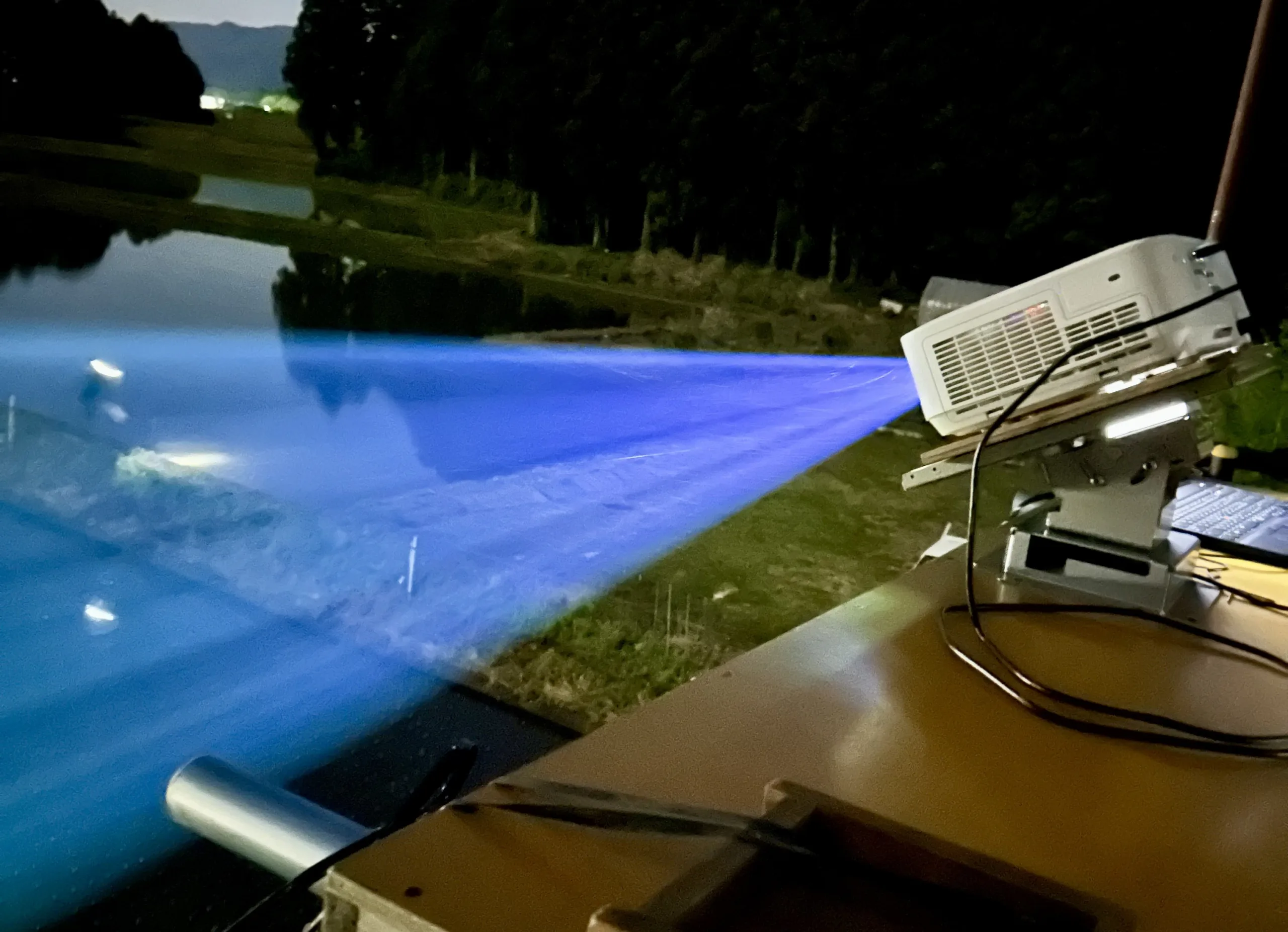
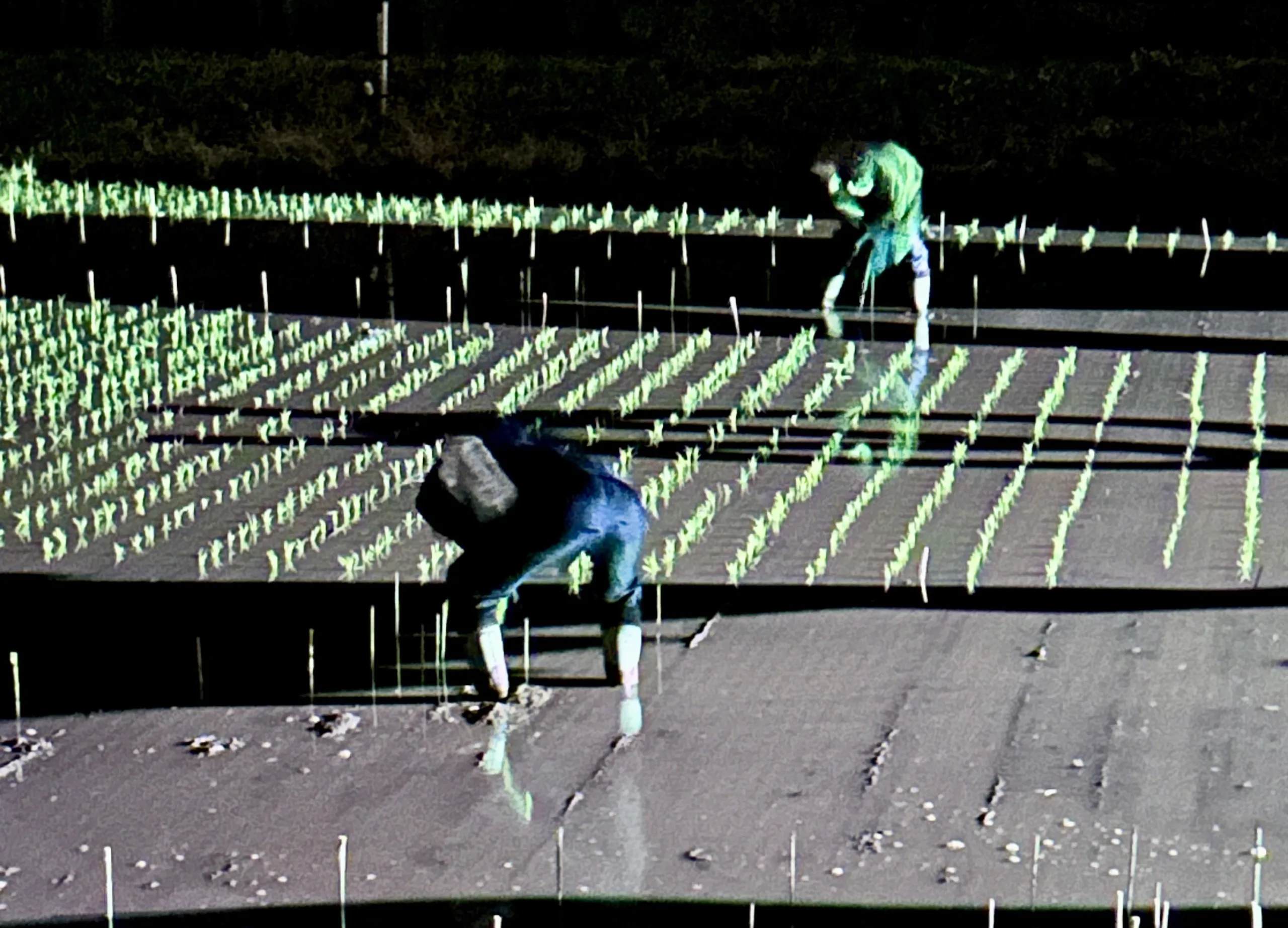
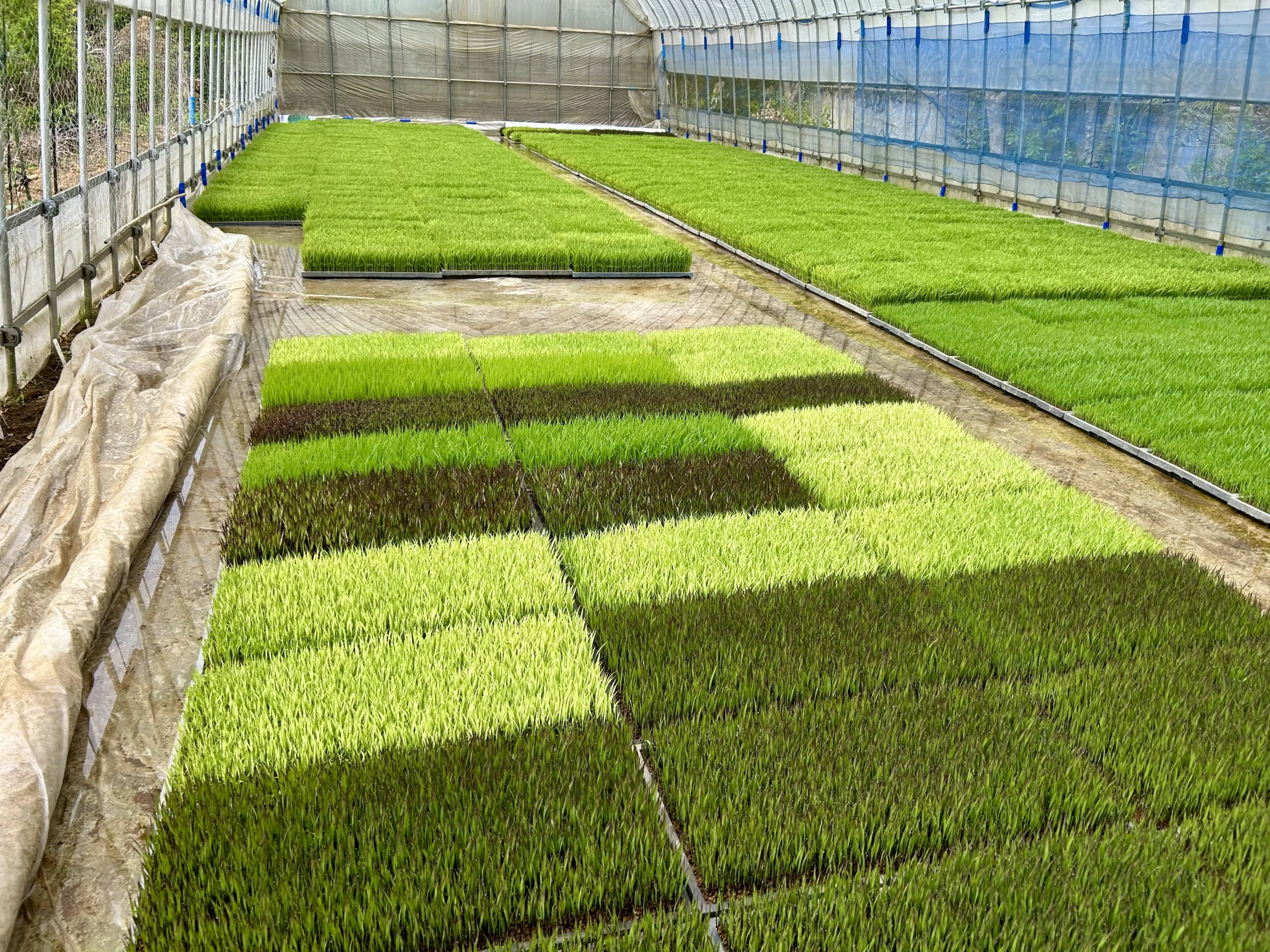
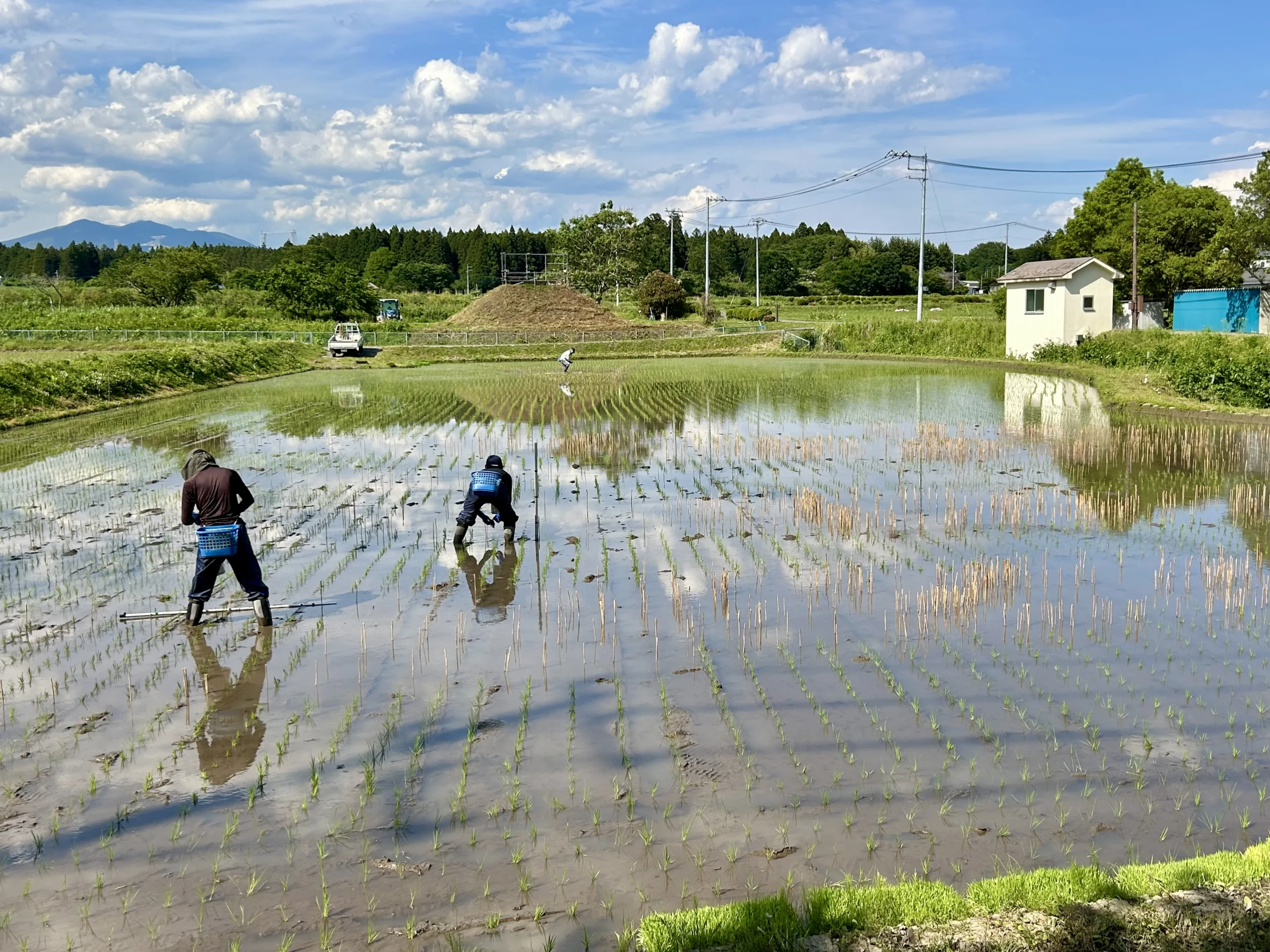
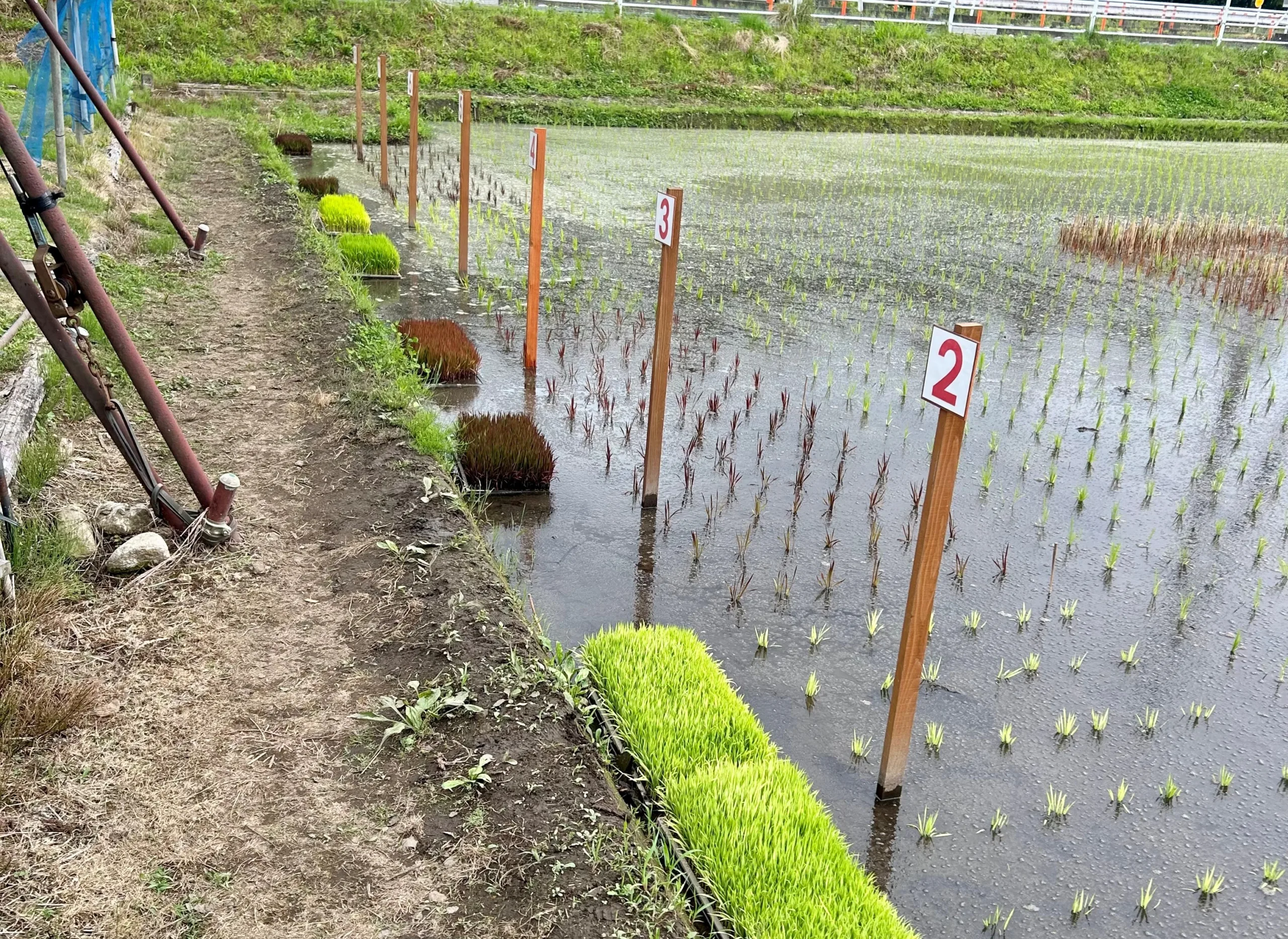
Rice paddy art preparations begin long before rice planting starts. Treating a single rice paddy as a large canvas, meticulous planning and careful work are essential to create a beautiful picture. ① A design is created to match the theme, and a blueprint is made considering the size of the rice paddy and the viewing position. Fine adjustments are made, incorporating perspective, so that a beautiful picture emerges when completed. ② Once the blueprint is complete, the blueprint is projected onto the actual rice paddy using a projector, and the positions are precisely determined using reed markers, and sections are created while confirming the planting location for each individual rice plant. The precision of this work is a crucial step that greatly affects the final result of the artwork. ③ Eight different types of rice with different colors are prepared. Since each type of rice has different leaf colors and growth rates, the planting locations are carefully determined according to the design. ④ With care and attention to each individual plant, the Nakano family begins planting by hand! Rice planting requires time and patience, but the Nakano family uses the experience they have cultivated over many years to work with heartfelt dedication every year. The accumulation of each individual rice plant transforms into a spectacular rice paddy art display in the summer.